The New York Fashion Week Spring 2027 Collections Defining American Style
New York once again became the center of the fashion world as designers unveiled their Spring/Summer 2027 collections across the city. From iconic venues to more intimate runway spaces, the season presented a broad interpretation of contemporary American fashion, moving effortlessly between understated minimalism, relaxed tailoring, polished eveningwear, and more experimental silhouettes.
September has traditionally marked a turning point in the fashion calendar, effectively setting the stage for the trends that will influence the months ahead. This season, New York designers embraced that sense of renewal while leaning into one of the city’s greatest strengths: its ability to bring opposing ideas together. Classic sportswear was elevated with luxurious details, traditional tailoring was given a looser attitude, and familiar American style codes were reimagined through bold proportions, rich textures, and unexpected embellishment.
The diversity of the New York schedule was particularly striking. Rachel Comey, Cult Gaia, and Coach opened the week by exploring new interpretations of American sportswear, with Coach simultaneously marking its 85th anniversary. The milestone gave the brand an opportunity to revisit its heritage while presenting it through a distinctly contemporary perspective.
Diane von Furstenberg also returned to the official New York Fashion Week calendar after an extended absence. The show marked a significant moment for the historic label, particularly with Henry Zankov presenting his first collection as creative director.
Elsewhere, designers such as Daniella Kallmeyer, Anna Sui, Kate Barton, Sandy Liang, and Rachel Scott of Proenza Schouler offered their own approaches to modern femininity, each bringing a distinctive perspective to the runway.
The city’s long-standing relationship with glamour was also on full display. Carolina Herrera, Thom Browne, Jonathan Simkhai, and Michael Kors presented sophisticated takes on eveningwear, while a younger generation of designers—including Terrence Zhou, Jane Wade, Christian Juul Nielsen, and Lorena Pipenco—pushed fashion into more adventurous territory with unconventional materials, exaggerated shapes, and dramatic constructions.
That creative variety remains one of New York’s greatest strengths. Few fashion capitals can move so naturally between heritage and experimentation, practicality and fantasy, polished restraint and unapologetic excess.
For Spring/Summer 2027, the city once again demonstrated that there is no single definition of American style. The season was sophisticated yet playful, nostalgic yet forward-looking, and at times deliberately extravagant.
Among the collections that stood out were those from Ralph Lauren, Tommy Hilfiger, Tory Burch, and Calvin Klein, four houses that offered particularly distinct interpretations of what American fashion can be today.
Ralph Lauren
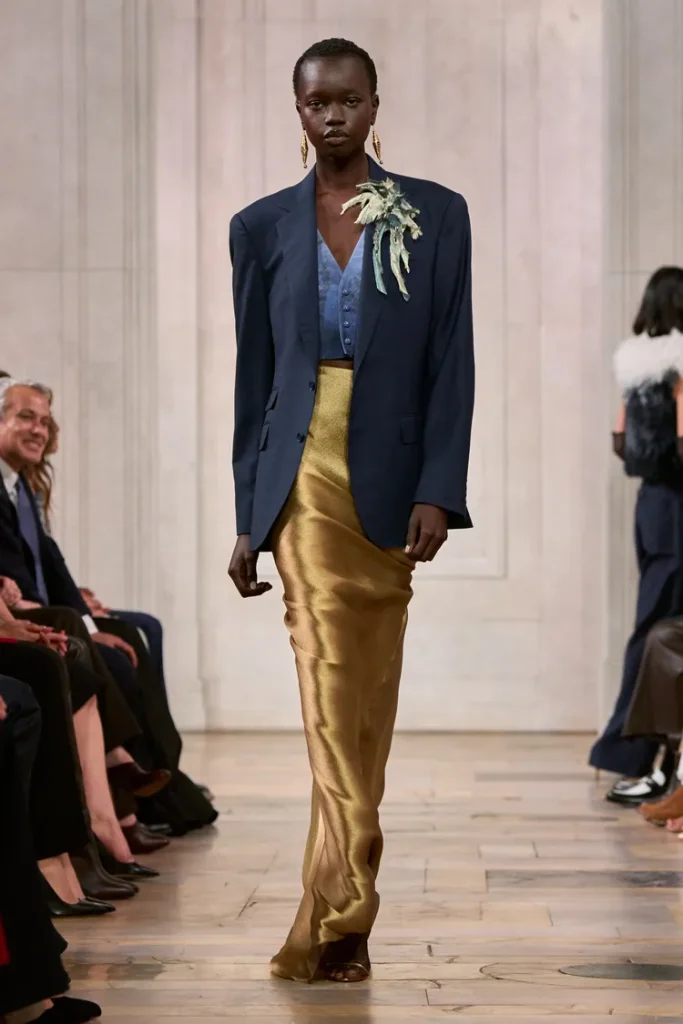
Ralph Lauren returned to one of his most enduring themes for Spring/Summer 2027: the meeting point between rugged American style and sophisticated glamour.
The collection was described as an “irreverent take on romance,” with individuality and personal expression placed at the forefront. Tailored trousers, structured outerwear, and classic wardrobe staples created a polished foundation, while more theatrical pieces introduced an element of fantasy.
Beaded and fringed tops brought a flapper-inspired mood to the runway, while flowing silk skirts appeared almost liquid in their golden sheen. Denim was elevated through intricate jacquard treatments, and plush fur stoles added an unmistakable touch of old-world glamour.
The collection walked the line between extravagance and ease. Even at its most dramatic, the clothing retained the relaxed quality that has become synonymous with Ralph Lauren.
It was another reminder of the designer’s ability to turn familiar American wardrobe staples into something aspirational, luxurious, and instantly recognizable.
Tommy Hilfiger
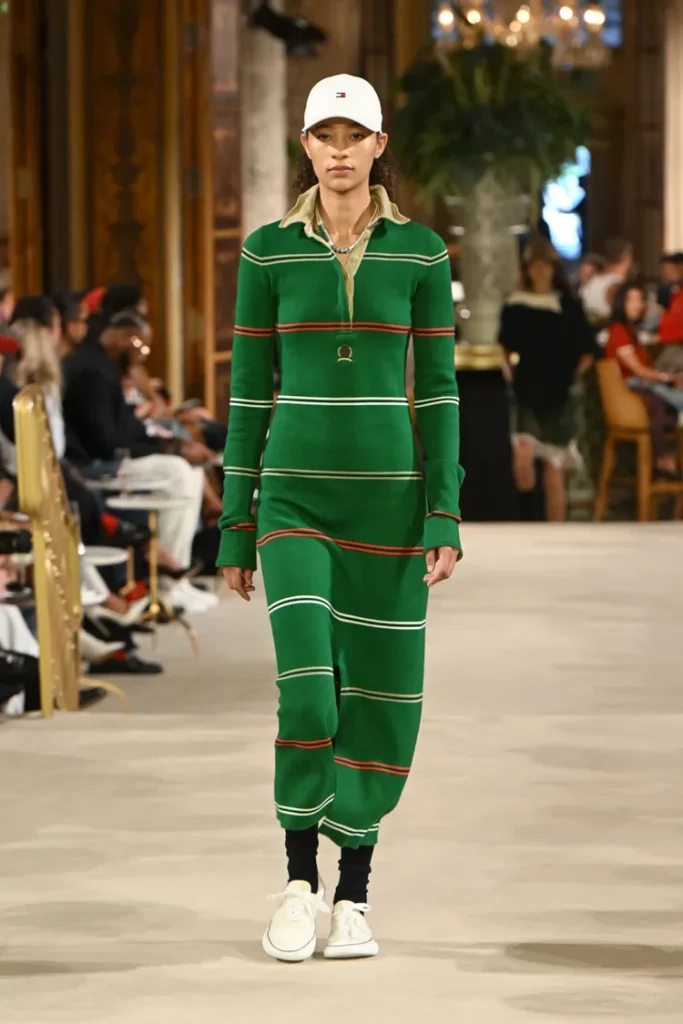
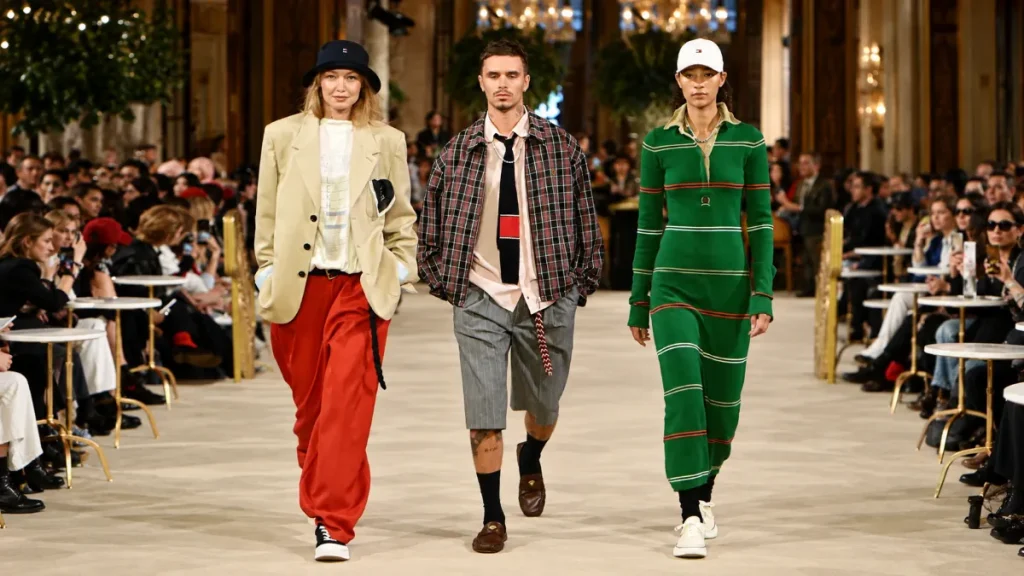
Tommy Hilfiger returned to New York Fashion Week in memorable fashion, staging his show at The Plaza Hotel for a true Manhattan homecoming.
The legendary setting perfectly complemented a collection built around the designer’s signature preppy vocabulary. Blazers, trousers, and other tailored pieces were given more generous proportions, creating a relaxed, borrowed-from-the-boys sensibility.
Sporty colors and casual styling kept the tailoring youthful, while fitted knit dresses introduced a more sensual interpretation of traditional rugby-inspired clothing.
The contrast between oversized tailoring and body-conscious silhouettes gave the collection a dynamic quality. It felt familiar without appearing overly nostalgic, demonstrating how prep can evolve without losing its identity.
Hilfiger ultimately presented a confident vision of modern American sportswear—one that feels particularly appropriate for a city where polished sophistication and effortless cool coexist every day.
Tory Burch
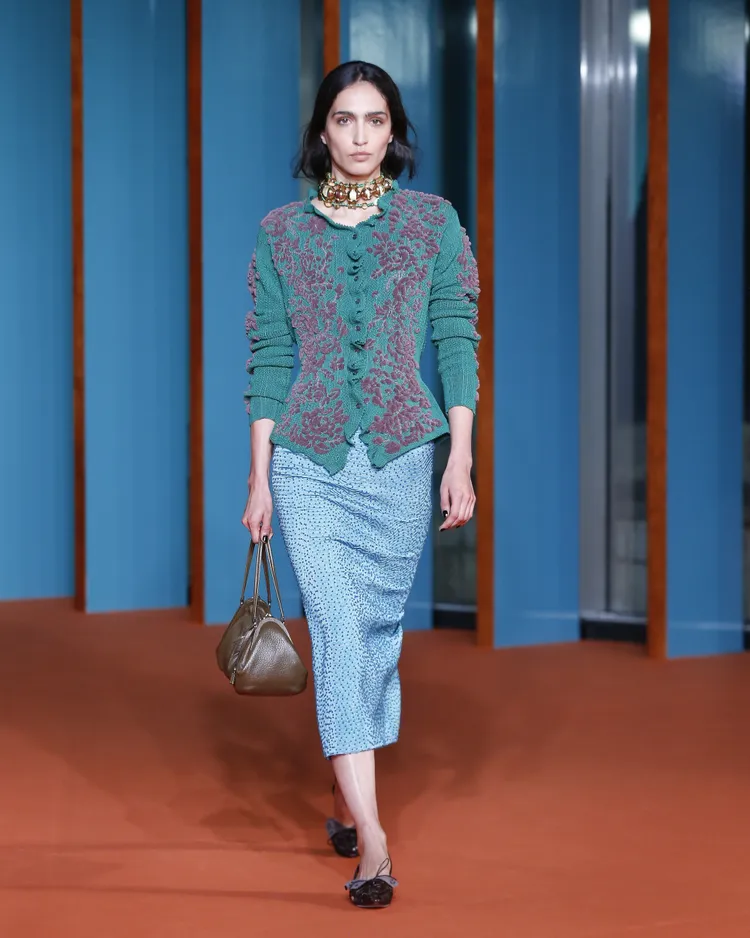
Tory Burch approached Spring/Summer 2027 with a playful interpretation of femininity, combining practical silhouettes with lavish decorative touches.
The collection was filled with details designed to bring personality to everyday dressing. Cardigans featured coral-inspired embellishments, boxy shapes were accented with bold chains, and jewel-toned garments were enhanced with floral and garland-like decorations.
Rather than treating luxury as something overly formal, Burch embraced color, humor, and ornamentation. The clothes maintained a sense of practicality while refusing to become predictable.
That balance made the collection particularly compelling. These were pieces that could function as part of a modern wardrobe while still delivering the visual impact expected from a runway collection.
Burch’s message was clear: getting dressed should be enjoyable. There is room for practicality, but there should also be room for fantasy and fun.
Calvin Klein
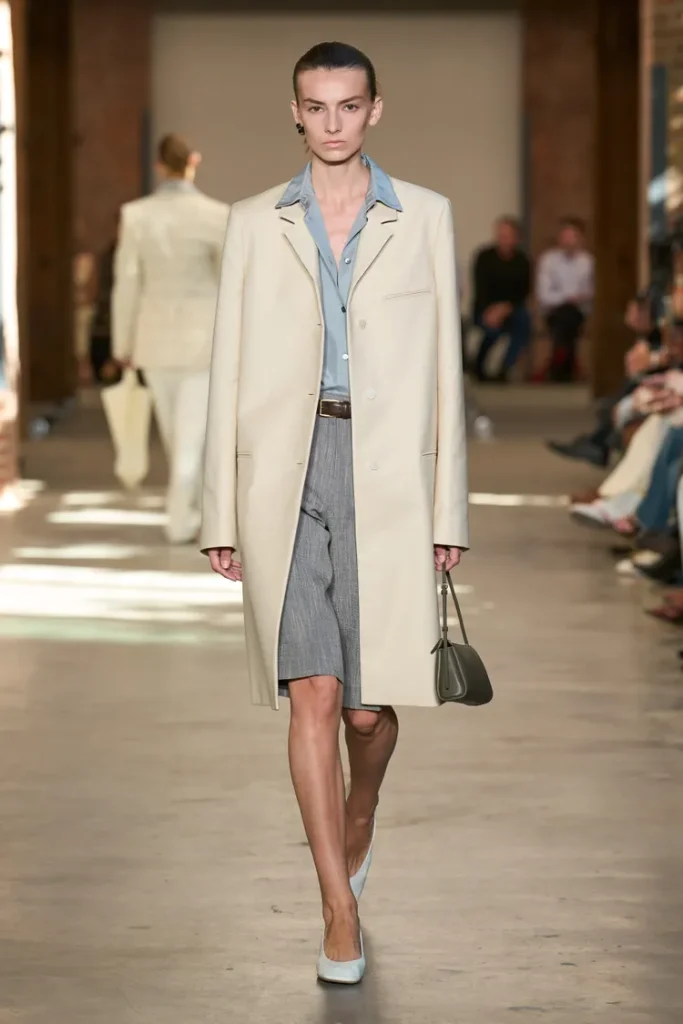
Veronica Leoni took a decidedly restrained approach at Calvin Klein, returning to the house’s minimalist DNA for a collection centered on precision and clean design.
The aesthetic recalled the sophisticated simplicity of the 1990s, with echoes of the polished wardrobe associated with Carolyn Bessette-Kennedy. Sharp silhouettes, streamlined tailoring, and uncluttered designs dominated the runway.
Instead of relying on embellishment, Leoni allowed proportion, construction, and fabric to provide the visual interest. The garments were reduced to their essential elements, creating a sense of quiet sophistication.
In a fashion week filled with dramatic details and elaborate styling, Calvin Klein’s restraint felt particularly powerful. The collection demonstrated that simplicity can be just as impactful as excess when every line and proportion is carefully considered.
Together, these collections captured the breadth of New York Fashion Week for Spring/Summer 2027. From Ralph Lauren’s romantic Americana and Hilfiger’s modern prep to Tory Burch’s joyful femininity and Calvin Klein’s refined minimalism, the season offered no shortage of distinct perspectives.
And perhaps that is precisely what makes New York fashion so compelling: it does not demand a single definition of style. It allows tradition and innovation, glamour and practicality, subtlety and spectacle to exist side by side.