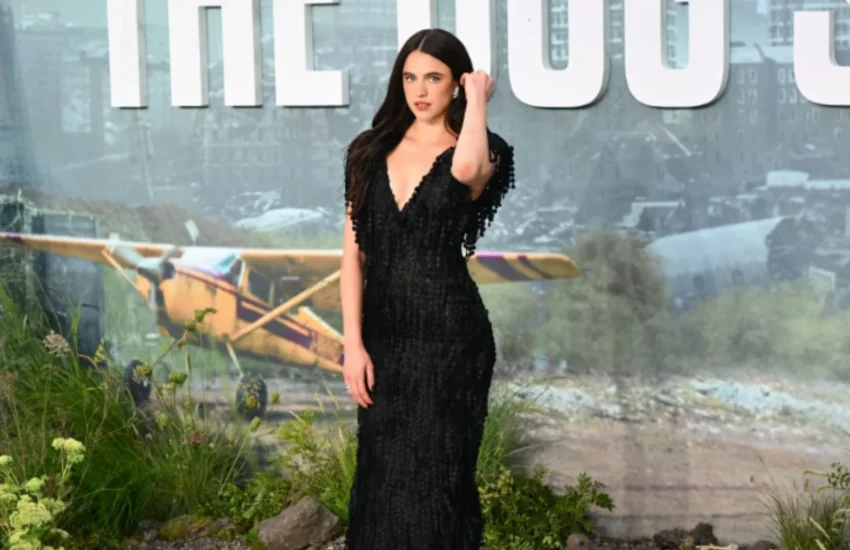
The Best Looks From Copenhagen Fashion Week Spring 2027
Copenhagen Fashion Week is continuing its 20th anniversary celebrations, building on a Fall 2026 season that further cemented the Danish capital’s reputation as the unofficial fifth stop on the international fashion calendar.
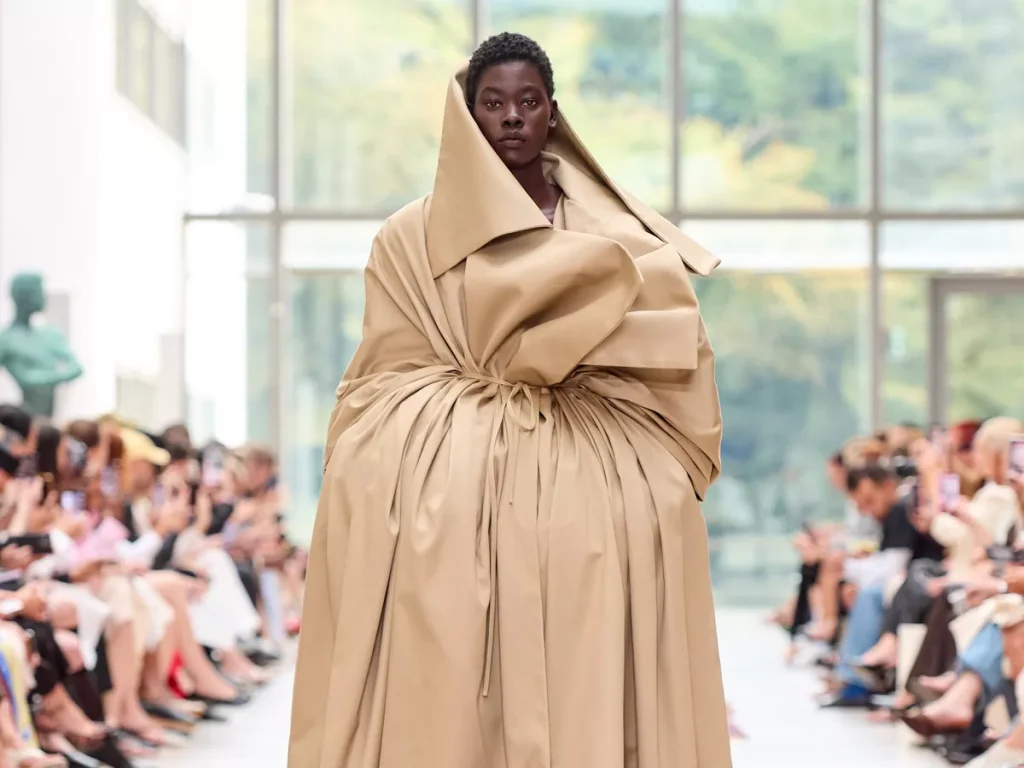
For Spring 2027, CPHFW returns from August 3 through August 7 with more than 34 runway shows and presentations, bringing together some of Scandinavia’s most established designers alongside a new generation of creative talent.
Among the names on this season’s schedule are Henrik Vibskov, Baum und Pferdgarten, and By Malene Birger. The week will also welcome New York-based label Collina Strada, with designer Hillary Taymour making her Copenhagen debut as the season’s International Guest on August 6. Emerging labels including Stem, Taus, and Renè are also set to present their latest collections, while returning names such as Anne Sofie Madsen and CPHFW New Talent alum Nicklas Skovgaard make their way back onto the schedule.
From the runway to the cobblestone streets of København, there is no shortage of fashion to watch. Here, we take a closer look at some of the collections and standout looks shaping the Copenhagen Spring 2027 season.
Collina Strada
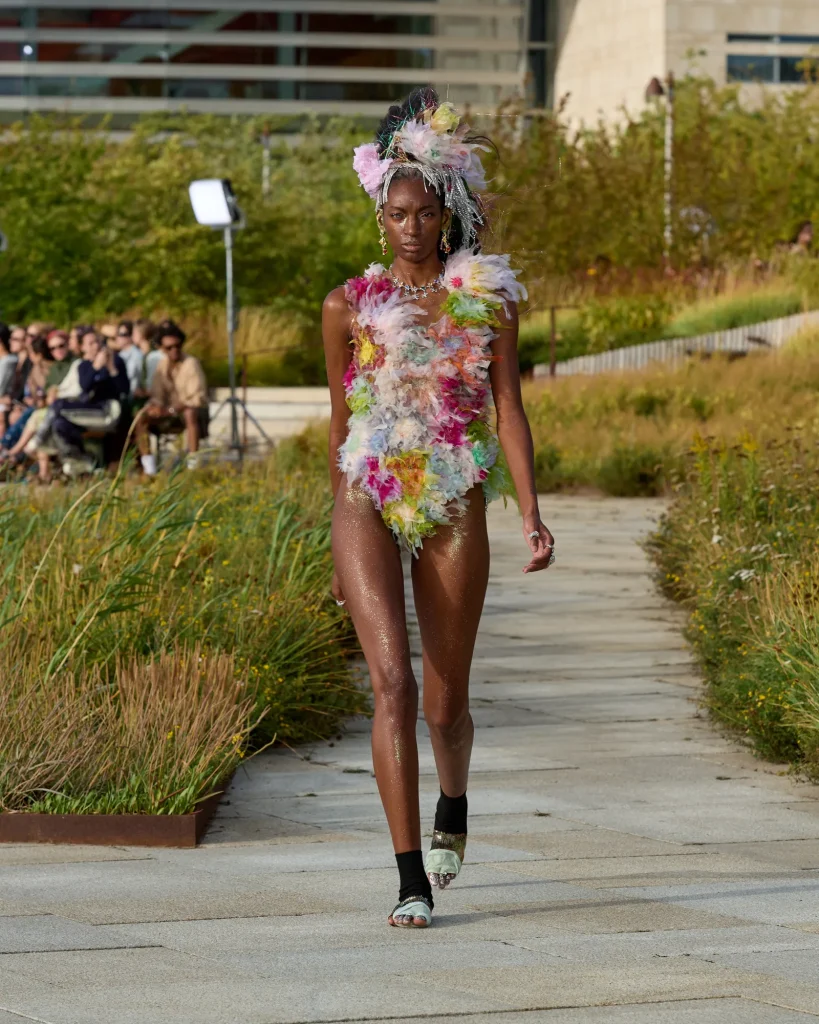
As this season’s International Guest, Collina Strada made its Copenhagen debut with an SS27 collection staged against a striking backdrop of violinists and the unmistakable atmosphere of a Danish summer.
The New York label brought its characteristic sense of experimentation to the runway, combining romantic details with unexpected proportions and a distinctly theatrical edge. Ruffles, metallic finishes, asymmetric silhouettes, and layers of ruched fabric came together throughout the collection, while Elizabethan-inspired beauty looks added an element of historical drama.
A bridal influence also appeared to emerge across several looks, adding softness to an otherwise unconventional collection. The contrast between delicate, romantic elements and more experimental construction gave the presentation its distinctive character.
The result was playful, dramatic, and deliberately unexpected—a fitting introduction to Copenhagen for a label that has built its identity around challenging conventional ideas of fashion and beauty.
By Malene Birger
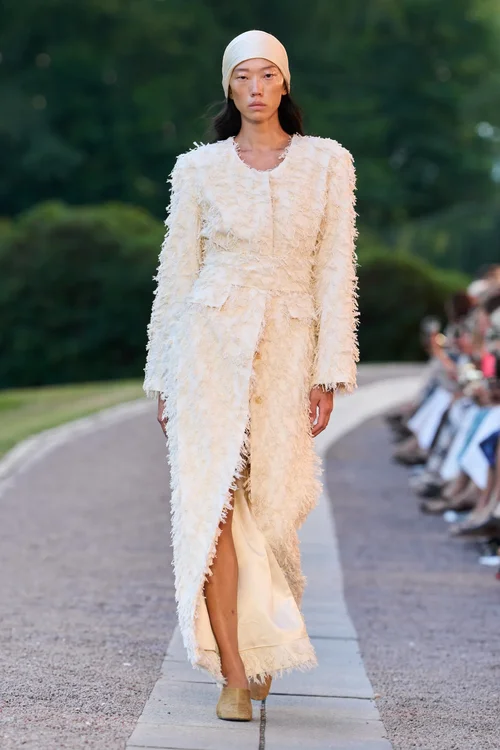
For Spring 2027, By Malene Birger returned to the runway after six years away, choosing a setting that made the comeback feel especially personal. Creative director Emilie Martinsen-Kønigsfeld presented the collection in the gardens of her parents’ home just outside Copenhagen, turning the idea of returning home into the central theme of the show.
Rather than simply marking a return to Fashion Week, the collection served as a reflection on the history and identity of the house.
The clothes followed the rhythm of a day, beginning with crisp whites and understated neutrals before gradually moving into warmer golden shades and eventually deeper blacks for evening. Sun-shaped buttons, subtle sun motifs, and a soundtrack inspired by changing light reinforced the progression, creating a narrative that felt thoughtful without becoming overly elaborate.
The wardrobe itself was equally cohesive. Relaxed tailoring, fluid dresses, softly draped separates, and lightweight outerwear created an effortless sense of continuity, with each piece feeling like a natural part of the same wardrobe. The styling maintained that distinctly Scandinavian balance of refinement and ease.
Several details quietly referenced the brand’s history, including a high-collared raincoat finished with an oversized tassel, backless scarf tops, and shimmering mirror embroidery. Rather than looking backward, however, these references felt like a celebration of the elements that have shaped the house over time.
The collection also carried subtle echoes of 1990s minimalism and glamour. Sheer evening dresses recalled the era’s iconic supermodel aesthetic, while their relaxed styling gave them a distinctly contemporary Copenhagen attitude.
It is precisely this combination of sophistication and effortlessness that made the collection so compelling. By Malene Birger didn’t attempt to recreate the past—it reinterpreted it through a modern Scandinavian lens.
Henrik Vibskov
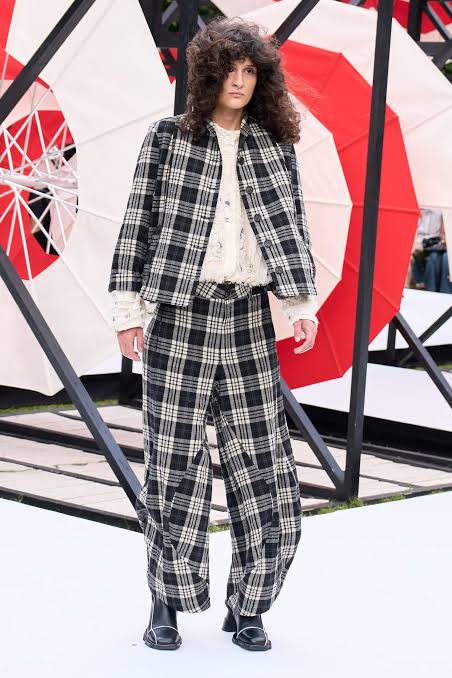
Henrik Vibskov once again brought his highly imaginative approach to the Copenhagen runway for Spring 2027. Known for treating fashion as both clothing and creative expression, the designer explored exaggerated proportions, sculptural forms, unexpected textures, and unconventional silhouettes throughout the collection.
Layering played a central role, with oversized garments paired against more structured or fitted pieces to create constantly changing proportions. Graphic elements, unusual constructions, and playful accessories added visual energy without overwhelming the clothes themselves.
Although the collection leaned heavily into experimentation, it remained surprisingly connected to everyday dressing. The individual pieces could be separated from the runway’s more conceptual styling and interpreted in a variety of ways, giving the collection a sense of versatility beneath its artistic surface.
The overall effect felt unmistakably Vibskov: eccentric, intelligent, playful, and unmistakably rooted in Copenhagen’s creative culture.
Baum und Pferdgarten
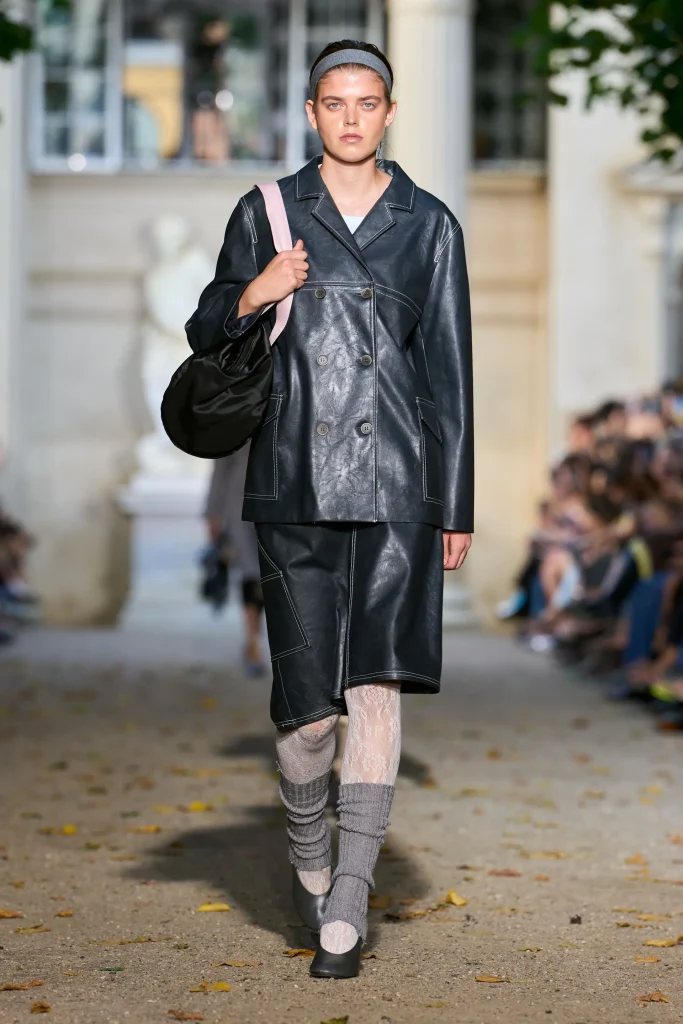
Baum und Pferdgarten explored the relationship between femininity and effortless dressing for Spring 2027, delivering a collection that combined expressive prints, relaxed tailoring, fluid silhouettes, and unexpected styling choices.
Structured separates were placed alongside romantic dresses, while contrasting patterns and textures prevented the looks from becoming overly polished. The result was expressive without feeling complicated, reflecting the Copenhagen approach to fashion as something personal, practical, and individual.
Femininity appeared in several different forms throughout the collection. Some looks emphasized sharp tailoring and structure, while others relied on softer fabrics and flowing shapes. Rather than committing to a single interpretation, the collection allowed different sides of the modern wardrobe to coexist.
That versatility was one of its strongest qualities. The pieces felt easy to imagine outside the runway, whether styled casually during the day or elevated for a more polished occasion.
Baum und Pferdgarten once again demonstrated why the label remains such a recognizable part of Copenhagen’s fashion identity: its clothes are playful and distinctive while still feeling remarkably easy to wear.
Stem
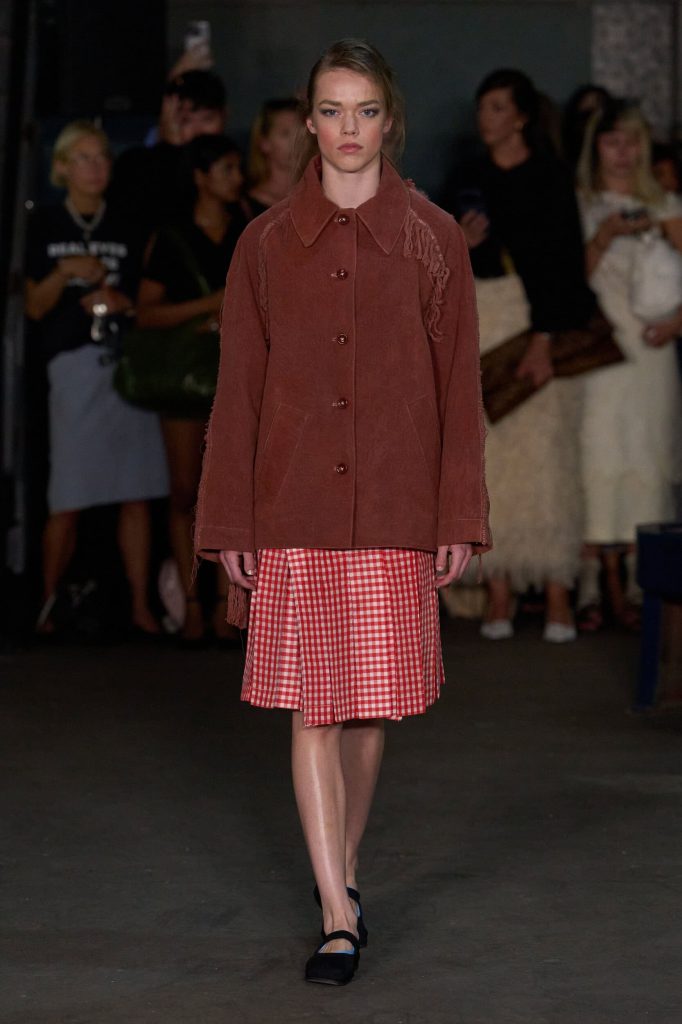
Among the emerging names on this season’s Copenhagen Fashion Week schedule, Stem offered a fresh interpretation of contemporary Scandinavian dressing. The Spring 2027 collection focused on clean construction, fluid silhouettes, subtle details, and a youthful sense of experimentation.
Instead of relying on heavy embellishment, Stem allowed the clothes themselves to take center stage. Fabric, proportion, and construction became the defining elements, creating looks that felt understated but carefully considered.
The minimalism was never entirely predictable. Unexpected proportions and small styling details introduced a sense of tension, giving the collection more depth than its restrained aesthetic might initially suggest.
Stem also represents a broader shift within Scandinavian fashion. The new generation of Copenhagen designers is moving beyond the idea that Nordic fashion must simply mean clean, pared-back minimalism. Here, restraint becomes a starting point for experimentation rather than an end in itself.
The result was quietly confident, contemporary, and youthful, positioning Stem as one of the emerging names worth keeping an eye on as Copenhagen’s influence continues to expand internationally.